


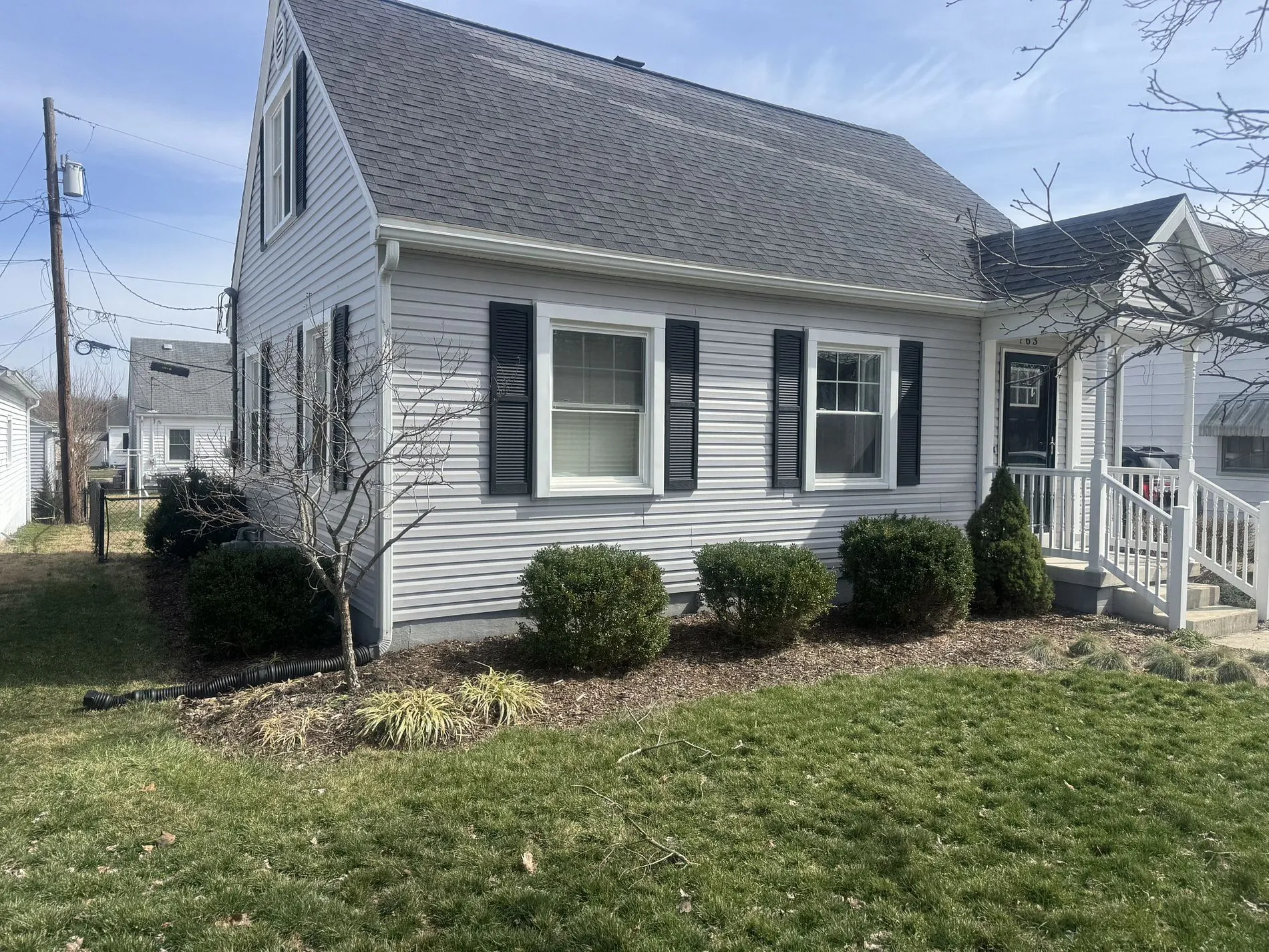
Choosing the right side significantly impacts your home’s aesthetics, energy efficiency, and long-term value. Vinyl siding has long been a go-to option for homeowners nationwide, but is it the right choice for you? This guide will provide a clear, objective look at the benefits and drawbacks of vinyl siding, enabling you to make a confident and informed decision for your siding replacement project.
Disadvantages
Aesthetic Considerations
While vinyl siding’s appearance has improved significantly, some homeowners still find it less aesthetically pleasing than materials like wood, brick, or stucco. The “plastic” or “manufactured” look can be a concern for those seeking a more natural or traditional appearance. However, advancements in texture and color options have helped mitigate this issue.
Susceptibility to Damage
Vinyl siding can be vulnerable to damage from extreme weather events. Hail, strong winds, and flying debris can cause dents, cracks, or the complete removal of siding panels. Impacts from objects like baseballs, lawnmowers, or falling branches can also cause damage.
Potential for Fading
Over time, vinyl siding can fade in color because of exposure to direct sunlight. This fading is a significant factor in vinyl’s shorter lifespan compared to other materials. Additionally, prolonged UV damage can weaken the PVC structure, increase the risk of cracking and break.
Environmental Concerns
While some vinyl siding is made with recycled materials, the manufacturing process still has ecological impacts, including the use of fossil fuels and the release of greenhouse gases. Consider the product’s environmental footprint and the manufacturer’s practices when making your decision.
Potential for Mold and Mildew Growth
If vinyl siding is not correctly installed or maintained, it can trap moisture behind the panels, creating the perfect conditions for mold and mildew to grow. This issue can lead to health problems and damage your home’s structure.
Warping Due to High Temperatures
Vinyl can heat up significantly in direct sunlight, reaching temperatures exceeding 200 degrees Fahrenheit. This factor poses a risk, especially for darker-colored or lower-quality products. It leads to unsightly deformation and compromises aesthetic appeal, making vinyl less suitable for homes in regions with intense sun exposure.
Advantages
Cost-Effectiveness
The average installation cost for vinyl siding is about $12,200 for materials and labor. However, compared to other materials like wood, brick, or fiber cement, there are potential savings between $1,000 and $10,000.
Low Maintenance
Unlike wood siding, which requires regular painting, staining, and sealing to keep it safe from the weather, vinyl siding only needs occasional cleaning. A simple wash with soap and water is usually enough to remove dirt, grime, and mildew.
Pest Resistance
Vinyl siding is an exceptional choice if you are in an area prone to frequent pest infestations. It ensures a lower risk of damage and reduced maintenance costs over time. Unlike wood and engineered wood products that attract carpenter bees, termites, and wood-boring ants, vinyl siding is non-organic and does not provide a food source for these destructive insects.
Versatility in Design and Appearance
Over the years, vinyl siding has evolved significantly. It now comes in various colors, styles, and textures that look like wood grain, cedar shake, stone, or even brick. You get the aesthetic appeal of the real deal without the hassle and costs of maintenance. This versatility makes vinyl siding suitable for various architectural styles.
Energy Efficiency Considerations
Many modern vinyl siding products are designed with insulation, which can remarkably improve your house’s energy efficiency by reducing heat transfer. It keeps the heat out in summer, and in winter, it keeps it in, helping to lower energy bills and make your home more comfortable.
Ease of Installation
Vinyl siding is generally easier and faster to install than other siding materials, translating into lower labor costs. While DIY installation is possible, hiring a professional siding installer is highly recommended to ensure the material is correctly aligned, sealed, and secured. Proper installation can prevent potential problems like water damage or wind-related issues.
Conclusion
Vinyl siding presents a compelling option for homeowners seeking a balance of affordability, durability, and low maintenance. However, like any building material, it has its limitations. By thoroughly weighing the advantages and disadvantages and carefully considering your needs, climate, and aesthetic preferences, you can decide whether vinyl siding is the right choice for your home.
Remember that a successful siding replacement project hinges on choosing the right material and professional installation. Researching and planning your project carefully will ensure you enjoy the benefits of beautiful, durable, and long-lasting siding for years.
