


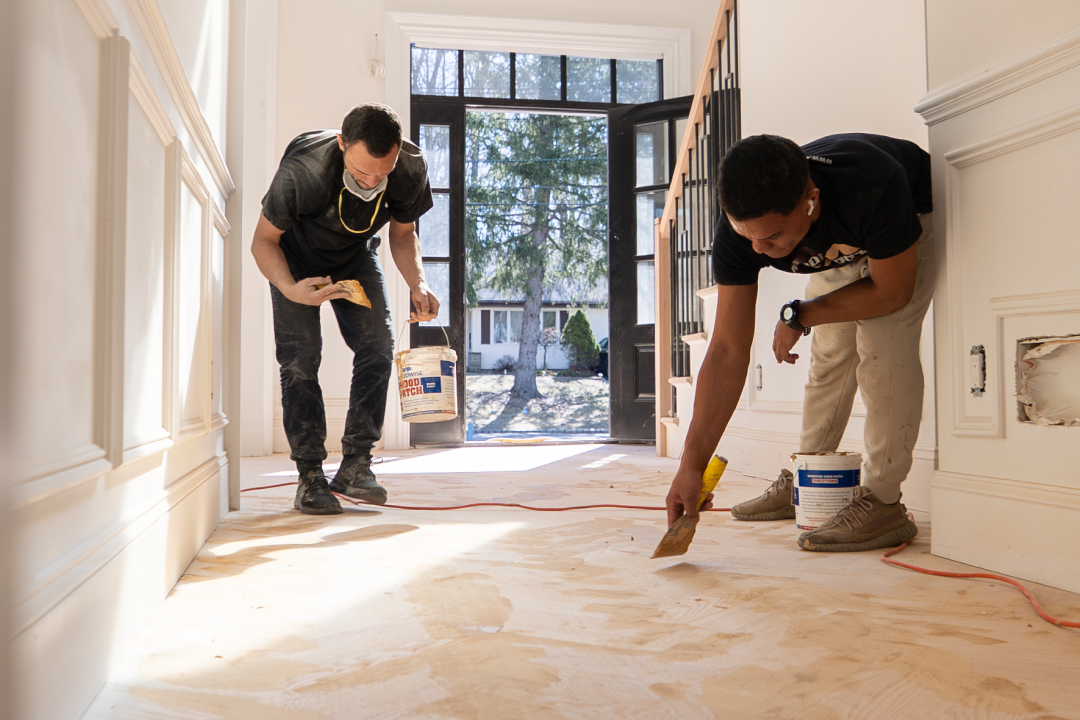
Most homeowners focus on the flooring they want to see when the project is finished. They compare tile, hardwood, laminate, or luxury vinyl plank, but very few think about the condition of the concrete underneath. From our experience, that’s often the difference between a floor that still looks great years later and one that begins showing problems much sooner than expected.
An uneven concrete slab may not seem like a serious issue at first. Sometimes the differences are only a few millimeters, but those small imperfections can create gaps, movement, cracked grout, hollow spots, uneven transitions, or flooring that simply doesn’t perform the way it should. Every flooring material depends on a properly prepared surface before installation begins.
That’s why professional contractors spend time evaluating the slab before bringing any flooring materials into the home. Moisture, previous coatings, old adhesive, surface damage, and elevation differences all affect the installation process. Correcting these issues before the new floor is installed helps protect the homeowner’s investment and significantly improves the finished result.
Many Florida homes also present unique challenges because of concrete slab construction, humidity, and years of normal settlement. What appears to be a flat floor often contains low areas or slight variations that only become noticeable during installation. Addressing those conditions early prevents much larger repairs later.
For homeowners planning a renovation, understanding the importance of floor leveling for uneven concrete slabs in Tampa can help avoid costly surprises and create a stronger foundation for virtually any type of residential flooring project.
What Causes Concrete Floors to Become Uneven?
Concrete may look solid, but it naturally changes over time. Small shifts in the foundation, normal settling, moisture exposure, previous renovations, or improperly prepared surfaces can all leave a slab with high and low spots. While these imperfections may not be obvious to the homeowner, they become very noticeable once a new floor is ready to be installed.
Different flooring materials have different flatness requirements. Large-format porcelain tile, hardwood flooring, laminate, and luxury vinyl plank all perform best when installed over a properly prepared substrate. Even minor variations in the concrete can make installation more difficult and increase the likelihood of movement, cracked grout, uneven joints, or premature wear.
Professional contractors don’t rely on visual inspection alone. Straightedges, laser levels, and moisture testing help identify areas that need correction before installation begins. Depending on the condition of the slab, the preparation process may include concrete grinding, patching, self-leveling compounds, crack repair, or localized surface corrections to create the proper foundation.
One mistake homeowners sometimes make is assuming installers can simply “work around” an uneven floor. Experienced contractors know that trying to compensate with extra adhesive or thicker mortar rarely produces a long-lasting result. It’s far more effective to correct the substrate first so the finished flooring performs exactly as it was designed to.
Taking the time to prepare the concrete properly often adds a little more work at the beginning of the project, but it greatly reduces the chances of future repairs and helps ensure the finished floor looks better, feels more solid underfoot, and lasts for many years.
How Proper Floor Leveling Protects Your Investment
Skipping floor leveling may seem like a way to reduce the initial project cost, but it often leads to much more expensive repairs later. A quality flooring installation depends on the condition of the surface beneath it. Even premium materials cannot compensate for an uneven concrete slab.
When the substrate is properly prepared, installers can achieve tighter joints, smoother transitions between rooms, and a more professional finished appearance. Tile sits evenly, grout lines remain consistent, and floating floors are less likely to develop movement or separation over time. Homeowners also notice the difference when walking across the floor, as it feels more solid and stable underfoot.
Professional floor preparation is also about matching the right solution to the specific conditions of the home. Some projects require only minor grinding to remove high spots, while others benefit from self-leveling compounds, localized patching, or crack repairs before installation begins. Every slab is different, which is why experienced contractors evaluate each project individually instead of using the same approach for every home.
Florida’s climate makes this preparation especially important. Changes in humidity, seasonal expansion and contraction, and the age of many concrete slabs can all affect long-term flooring performance. Investing in proper surface preparation helps reduce the risk of future issues while allowing the finished floor to perform as intended for many years.
A well-leveled concrete floor doesn’t draw attention after the project is complete—and that’s exactly the goal. Homeowners simply enjoy a floor that looks beautiful, feels solid, and continues performing reliably long after the installation is finished.
Questions Homeowners Often Ask Before Installing New Flooring
One of the most common questions homeowners ask is whether floor leveling is always necessary. The answer depends entirely on the condition of the existing concrete. Some homes require only minor preparation, while others need more extensive corrections before new flooring can be installed properly. A professional inspection helps determine the right approach instead of relying on assumptions.
Another frequent question is whether leveling is only important for tile. In reality, nearly every flooring material benefits from a flat, properly prepared surface. Luxury vinyl plank, laminate, engineered hardwood, and large-format tile all have manufacturer requirements for floor flatness. Ignoring those recommendations can affect both the appearance and long-term performance of the installation.
Many people also wonder whether leveling will significantly delay the project. In most cases, addressing the concrete before installation actually saves time and money over the life of the floor. Fixing substrate issues at the beginning is far easier than replacing damaged flooring after problems begin to appear.
Contractors who specialize in residential flooring understand that successful installations start long before the first tile or plank is placed. Careful inspection, proper surface preparation, and attention to detail create the foundation for a finished floor that homeowners can enjoy with confidence.
Whether the project involves a single room or an entire home, investing in proper floor preparation helps ensure the finished flooring delivers the appearance, durability, and long-term value homeowners expect.
A beautiful new floor begins with a solid foundation. While homeowners often focus on choosing the perfect flooring material, the quality of the finished installation depends just as much on what happens before the first tile or plank is installed. Proper floor leveling creates the stable, even surface needed for long-lasting performance, a better appearance, and fewer problems in the future.
Taking the time to prepare the concrete correctly is an investment that pays off throughout the life of the floor. Whether you’re planning a bathroom renovation, installing luxury vinyl plank, hardwood flooring, or porcelain tile, starting with a properly prepared substrate helps ensure the finished project performs exactly as intended.
Frequently Asked Questions
Not always. Every concrete slab is different, which is why experienced contractors inspect the surface first. Some floors require only minor corrections, while others benefit from more extensive leveling before installation.
Although it is sometimes possible, it is generally not recommended. Installing flooring over an uneven surface increases the risk of movement, cracking, visible imperfections, and premature wear.
Yes. A flat, properly prepared substrate allows flooring materials to perform as designed, helping reduce stress on the installation and improving long-term durability.
Key Takeaway
Professional flooring installation starts with proper preparation—not just quality materials. Investing in floor leveling before installation helps create smoother results, stronger performance, and flooring that continues looking great for years to come.
Final Thought
Many flooring problems don’t begin after installation—they begin long before the first plank or tile is installed. Careful evaluation of the existing concrete, proper preparation, and professional floor leveling create the conditions for a floor that not only looks beautiful on day one but continues performing well for many years. Taking the time to prepare the surface correctly is one of the smartest investments homeowners can make before starting any flooring project.
