


Introduction
When tackling the common household nuisance of clogged drains, homeowners often have many options, from traditional chemical drain cleaners to innovative eco-friendly solutions. The market is flooded with various drain clog removers, including liquid gels, crystal formulas, and manual tools like drain snakes.
Reviews and expert tests, such as those conducted by Good Housekeeping and Bob Vila, highlight the effectiveness of products like Drano Max Gel Liquid Clog Remover and Liquid-Plumr Hair Clog Eliminator, which are known for their quick action on tough clogs. However, these chemical agents’ environmental impact and safety concerns have increased interest in eco-friendly alternatives.
These green solutions promise to clear drains without harsh chemicals, offering a safer, more sustainable approach to drain maintenance. But how do they compare in terms of effectiveness, and what are the trade-offs?
Here is a table summarizing the key aspects and details of eco-friendly drain clog removers:
| Definition of Eco-Friendly Cleaners | Cleaners using natural, biodegradable substances. |
| How They Work | Break down organic matter like hair and grease. |
| Enzymatic Action | Enzymes target specific organic materials. |
| Bacterial Digestion | Live bacteria digest organic waste. |
| Natural Ingredients | DIY solutions like baking soda and vinegar. |
| Speed of Action | Slower than chemical cleaners, requiring hours or overnight. |
| Effectiveness on Organic Clogs | Highly effective on organic clogs. |
| Effectiveness on Inorganic Clogs | Less effective on inorganic materials like plastic. |
| Environmental Impact | Biodegradable, minimal harm to the environment. |
| Safety for Pipes | Safe for all plumbing systems, including older pipes. |
| Safety for Health | No harmful residues, safer for children and pets. |
| Cost Comparison | Pricier but offset by long-term benefits. |
| User Experience | Appreciated for safety and environmental friendliness. |
| Maintenance Benefits | Ideal for regular maintenance to prevent clogs. |
| Long-Term Impact | Promotes pipe longevity and reduces environmental footprint. |
Understanding Eco-Friendly Drain Clog Removers
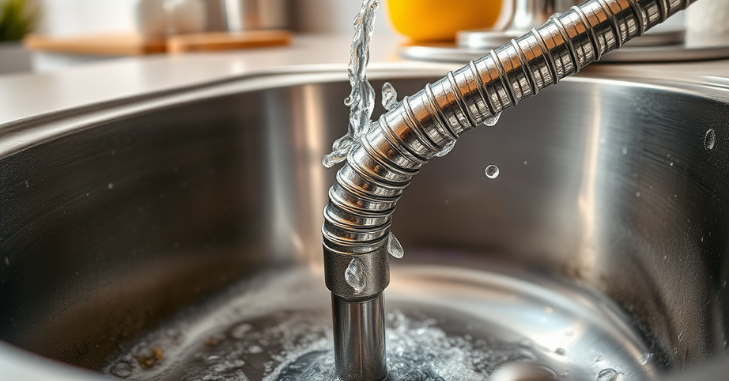
Eco-friendly drain clog removers are designed to tackle clogs without the harsh chemicals found in traditional cleaners. These products typically use natural enzymes, bacteria, or other biodegradable substances to break down organic matter like hair, grease, and food particles. Here’s how they work:
- Enzymatic Action: Enzymes in these cleaners target specific organic materials, breaking them into simpler compounds that can be easily flushed away. This process is slower than chemical reactions but is gentler on pipes and the environment.
- Bacterial Digestion: Some eco-friendly cleaners contain live bacteria that digest organic waste. This method is particularly effective for septic systems as it helps maintain the balance of beneficial bacteria necessary for proper function.
- Natural Ingredients: Products like baking soda and vinegar or salt and baking soda mixtures are popular DIY solutions. These ingredients react to create a fizzy action that can help dislodge minor clogs.
How Different Types of Drain Clog Removers Work
When choosing a drain clog remover, understanding how different solutions actually interact with blockages can help you get better results and avoid damaging your plumbing. Chemical drain cleaners use powerful ingredients to dissolve hair, grease, soap residue, and mineral buildup quickly, but their strength means they must be used with care, especially around older pipes or vulnerable materials. In contrast, enzymatic and bacterial formulas work more gently by introducing natural agents that break down organic matter over time, making them ideal for regular maintenance rather than immediate heavy clog removal. There are also mechanical tools like plungers, drain snakes, and augers that physically dislodge or extract obstructions when chemical or biological solutions are insufficient. Knowing the differences between these types — chemical action, biological breakdown, and mechanical force — lets you select the most effective approach for your specific clog situation, ensuring both safety and efficiency in keeping your drains clear.
Understanding the Science Behind Effective Drain Clog Removers
When tackling stubborn drain clogs, it’s important to recognize that not all clog removers work the same way — their effectiveness depends on the type of blockage and the chemical or mechanical action they use to clear it. Some drain cleaners rely on enzymatic or bacterial formulas that break down organic material like hair and food debris over time, making them ideal for ongoing maintenance and prevention. Others use strong chemical reactions to dissolve grease, soap scum, and mineral build-up quickly, which can be highly effective for severe blockages but may require careful handling due to their potency. Additionally, mechanical tools such as plungers and drain snakes physically disrupt and remove the obstruction, providing an alternative when chemical solutions are insufficient. By understanding the differences between these approaches — enzymatic action, chemical dissolution, and physical removal — homeowners can choose the most appropriate method for their particular clog situation, ensuring safer and more reliable results.
Comparing Effectiveness: Eco-Friendly vs. Traditional Cleaners
Speed of Action
Traditional chemical cleaners are known for their quick results. They often contain ingredients like sodium hydroxide or sulfuric acid, which can dissolve clogs rapidly, sometimes in as little as 15 minutes. In contrast, eco-friendly cleaners work more slowly, often requiring several hours or overnight to clear a drain fully.
Types of Clogs
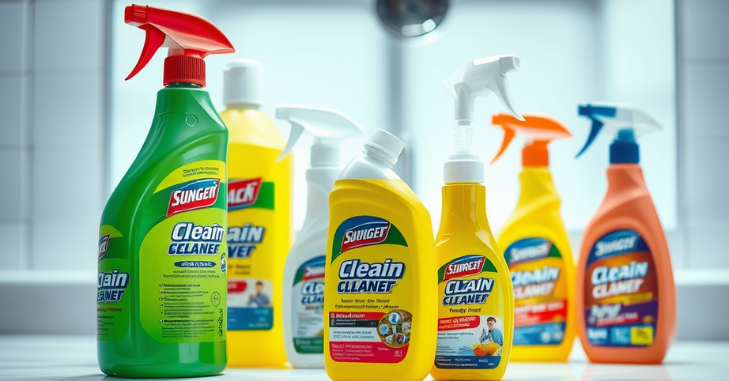
- Chemical Cleaners: These are effective against a wide range of clogs, including hair, grease, soap scum, and even some inorganic materials. However, they can be less effective on severe clogs or those caused by non-organic matter.
- Eco-Friendly Cleaners: They excel at breaking down organic clogs but might be less effective on inorganic materials like plastic or metal. For severe clogs, multiple applications or mechanical methods might be necessary.
Environmental Impact
- Chemical Cleaners have a significant environmental impact. Due to their toxic nature, they can harm aquatic life, contribute to water pollution, and pose health risks.
- Eco-Friendly Cleaners: These are biodegradable and pose little to no environmental harm. They help reduce your carbon footprint and are safer for use in homes with children and pets.
Safety for Pipes and Health
- Chemical Cleaners: Over time, these cleaners can corrode pipes, leading to leaks and the need for repairs. They also pose health risks like skin irritation, respiratory issues, and burns.
- Eco-Friendly Cleaners: They are safe for all plumbing systems, including older metal pipes and septic tanks. They do not leave harmful residues and are less likely to cause damage over time.
Practical Considerations
Usage and Maintenance
- Chemical Cleaners: Often used as a quick fix, they can provide immediate relief but might not prevent future clogs. Overuse can lead to pipe damage.
- Eco-Friendly Cleaners: These are ideal for regular maintenance. They can prevent clogs by continuously breaking down organic matter, reducing the need for harsh interventions.
Cost and Availability
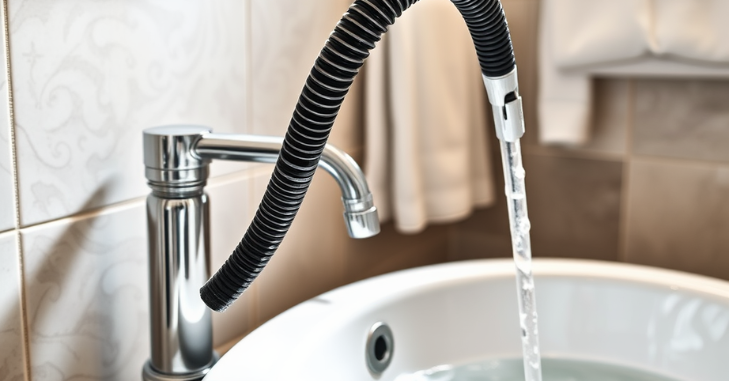
- Chemical Cleaners: Generally less expensive and widely available, making them a go-to for many homeowners.
- Eco-Friendly Cleaners: While they might be pricier due to their specialized formulas, their long-term benefits in terms of pipe longevity and environmental impact can offset the initial cost.
User Experience
- Chemical Cleaners: Users often report quick results but mention the strong odours and potential for pipe damage.
- Eco-Friendly Cleaners: Users appreciate the lack of harsh chemicals and the peace of mind of using a safe product for their home and the environment. However, patience is required for results.
The Future of Drain Cleaning: Eco-Friendly Innovations
As we look towards the future, the drain cleaner market is poised for significant transformation, driven by a commitment to sustainability and technological innovation. The trend towards eco-friendly solutions is not just a passing fad but a fundamental shift in consumer behavior and regulatory frameworks. Here’s what to expect:
- Smart Cleaning Solutions: The integration of IoT (Internet of Things) technology into drain cleaning products will allow for real-time monitoring and maintenance of plumbing systems. Smart drain cleaners could alert homeowners or facility managers to potential clogs before they become problematic, reducing the need for harsh chemical interventions.
- Advanced Enzyme and Bacteria Formulations: Research and development efforts are focusing on creating more potent and versatile enzyme and bacteria blends. These advancements aim to tackle a broader range of clogs, including those caused by inorganic materials, while maintaining their eco-friendly credentials.
- Sustainable Packaging: The industry is moving towards more sustainable packaging options, reducing plastic waste. Biodegradable containers, refillable systems, and packaging made from recycled materials are becoming standard, aligning with the broader push towards a circular economy.
- Regulatory Influence: Governments worldwide are tightening regulations on chemical usage, pushing manufacturers to innovate safer, greener alternatives. This regulatory pressure is a catalyst for the development of drain cleaners that are not only effective but also environmentally responsible.
These innovations reflect a broader industry trend towards sustainability, ensuring that drain cleaning solutions of the future are not only effective but also contribute positively to environmental conservation efforts.
Conclusion
The choice between traditional and eco-friendly drain clog removers hinges on several factors: speed, effectiveness, environmental impact, and safety. Conventional chemical cleaners like Drano and Liquid-Plumr offer rapid results, making them ideal for immediate clog relief. However, their caustic nature can pose risks to the environment and your plumbing system over time. On the other hand, eco-friendly drain cleaners, utilizing enzymes and bacteria, provide a gentler, sustainable approach.
They work more slowly but are safer for pipes, septic systems, and the planet. Products like Bio-Clean and Roebic K67 exemplify this new wave of drain care, focusing on long-term maintenance and prevention rather than just quick fixes. Ultimately, the type of drain clog remover you choose should align with your priorities—immediate unclogging, environmental responsibility, or a balance between the two.
Apart from this, if you are curious to know more about “The Ultimate Guide to Professional Christmas Lights Installation“, then visit our “Home Improvement” category.
Frequently Asked Questions (FAQs)
The best solutions for unclogging a drain include using a plunger, pouring a mixture of baking soda and vinegar followed by hot water, or employing a drain snake. Chemical drain cleaners or professional help may be necessary for stubborn clogs.
Enzyme-based drain cleaners are eco-friendly and safe for pipes, while chemical cleaners work quickly on tough clogs. Baking soda and vinegar are effective homemade alternatives. A drain snake or plunger provides mechanical solutions. Choose based on clog type and severity.
To dissolve a clogged drain, use baking soda and vinegar, followed by hot water. Chemical drain cleaners work for tough clogs but may harm pipes. Enzyme-based cleaners are safer. A drain snake or plunger offers effective mechanical alternatives.
Common causes include hair, grease, soap residue, food particles, and mineral buildup accumulating over time inside pipes.
They can be effective but should be used carefully, as harsh chemicals may damage pipes or cause injury if misused.
