



Introduction
From early 20th-century bungalows to contemporary home renovations, few design features convey charm and craftsmanship like craftsman window trim. Originating during the Arts and Crafts movement—a period that emphasized handcrafted quality over mass production—these trims are both practical and aesthetic. They serve not merely as decorative borders but as expressions of purpose, artistry, and structural elegance.
Craftsman trim stands out for its bold simplicity: clear lines, flat boards, and squared edges that convey strength and order. It often features layered woodwork around windows, such as headers, aprons, and side casings, all seamlessly integrated. These elements provide a grounding presence in any room or facade, offering substance without relying on ornate details.
| Category | Details |
|---|---|
| Style | Classic |
| Material | Wood |
| Color | Natural |
| Aesthetic | Timeless |
| Placement | Interior |
| Function | Framing |
| Finish | Matte |
| Installation | Manual |
| Influence | Heritage |
| Look | Defined |
| Trim Style | Square |
| Grain | Visible |
| Mood | Warm |
| Craft Type | Traditional |
| Keyword Focus | Craftsman window trim |
Craftsman Window Trim: A Touch of Honest Architecture
There’s sThere’s a comforting quality to architectural details that are intentionally crafted, fostering a unified aesthetic. Craftsman-style window trims, unlike passing decorative trends, don’t overwhelm but communicate with genuine subtlety. These trims are typically broader and more solid than the slim, minimalist moldings from modern designs, which makes them effective. Their weighty appearance adds stability to the home’s structure, guiding the viewer’s eye and establishing harmony both inside and out.
Usually crafted from sturdy hardwoods such as oak or maple, these trims develop a charming aging process. Their tactile charm comes from the visible wood grain, which is typically not concealed by heavy paint. Instead, they are often stained to highlight the texture and color of the wood, ensuring each window has its own distinct character in the home. If you value authenticity in your interior design, this trim style is more than just decoration — it’s a fundamental element.
Understanding Trim Functionality and Style Impact
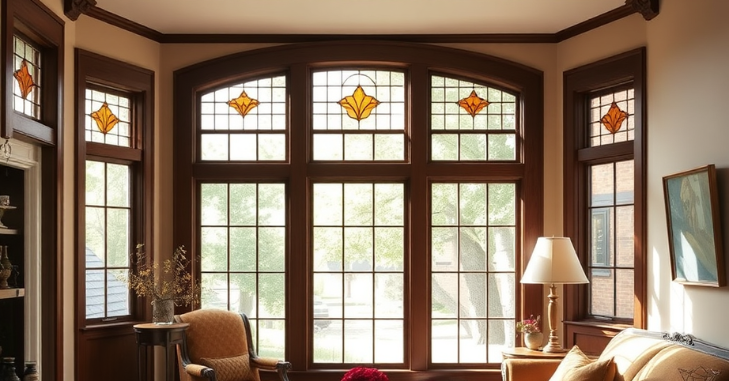
Window trims do more than just finish the look. They act as a barrier between the wall and window opening, sealing air leaks, enhancing insulation, and preventing water intrusion. Craftsman window trim combines these functional benefits with a refined style, seamlessly merging practicality with beauty.
Their well-defined frames establish a clear visual hierarchy. The deep edges and sharp corners introduce an architectural rhythm in both indoor and outdoor spaces. Whether they encase a picture window in the living room or a basic casement in the hallway, they add uniformity, elegance, and balanced proportion.
Recommended Subtopics (Highly Varied Format)

• Popular Wood Choices for Crafting Trim
- Oak: Dense, warm, and rich in character.
- Maple: Features a smooth surface with a subtle grain.
- Pine: An affordable choice with timeless charm.
- Fir: Durable with a light coloration—perfect for staining.
Why Stain is Often Better Than Paint

While white-painted trims are common in modern construction, craftsman trims usually feature a stained finish. This highlights the natural grain, maintaining the wood’s character. The stain penetrates the wood rather than merely sitting on surface, which boosts durability and develops more character with age.
Best Room Types for This Trim Style
- Living Rooms: Provides visual context.
- Dining Rooms: Emphasize a classic, traditional atmosphere.
- Entryways create a powerful first impression.
- Bedrooms: Provide a cozy, inviting atmosphere.
The Relationship Between Trim and Casing

Casing refers to the functional frame, whereas “trim” is a more general term. In craftsman style, these terms often overlap, with components like header boards, flat side casings, and base aprons installed together as a single decorative element. Despite appearing as one piece, each part serves both protective and aesthetic purposes.
Where Modern Meets Vintage?
- Combine craftsman trim with neutral walls to create a transitional style.
- Choose brushed brass or oil-rubbed bronze hardware to enhance the wood tone.
- Pair with shaker-style cabinetry to create a cohesive look throughout the home.
Key Mistakes to Avoid in Installation
Many homeowners frequently misjudge the correct proportions when choosing window trim. Craftsman style requires visual balance—if the trim is too narrow, it looks weak; if too wide, it can feel overwhelming. Also, avoiding crown molding above the trim maintains a clean, squared, and simple appearance.
Accessory Pairings That Work

- Roman shades crafted from natural fabric.
- Simple rod-and-ring curtains.
- Earth-toned minimalist blinds
These keep the honest design story intact, steering clear of overly elaborate details that could distract from the trim.
Layering Techniques for Deeper Impact
Craftsman window trim typically includes multiple layers. A top cap or “head casing” sits over the side trims to form a ledge, occasionally with a slight projection. Beneath the window, the apron provides balance. When done properly, this layering adds architectural depth and enhances the craftsman style of the window unit.
Exterior Applications

- Use weatherproof wood or engineered wood materials.
- Pair tapered columns with exposed rafters to create a complete Craftsman-style facade.
- Use paint or stain that matches or enhances the shingles or lap siding.
Conclusion
The charm of craftsman window trim is its resistance to fleeting trends. It remains consistent over the years, preferred by homeowners and designers who prioritize substance over style. Whether you’re restoring a historic bungalow or enhancing a modern home with vintage-inspired details, this trim provides enduring appeal and genuine architectural significance.
Selecting this style means more than just choosing a window finish; it signifies a visual language conveying durability, honesty, and understated elegance. It seamlessly connects past and present, making it perfect for those who want to elevate both the appearance and functionality of their living spaces.
Apart from that, if you want to know more about Common DIY Renovation Mistakes and Why to Let the Professionals Do It then visit our Home improvement category.
FAQs
Its squared corners, broad boards, and straight lines convey a traditional, handcrafted design.
For extra cosiness, it looks great with minimalist and transitional decor.
Because of their natural grain and longevity, oak, maple, pine, and fir are preferred woods.
To highlight the wood’s texture and genuine craftsmanship, staining is recommended.
For those interested in understanding more about the craftsmanship behind their products, a factory tour could be insightful.
