


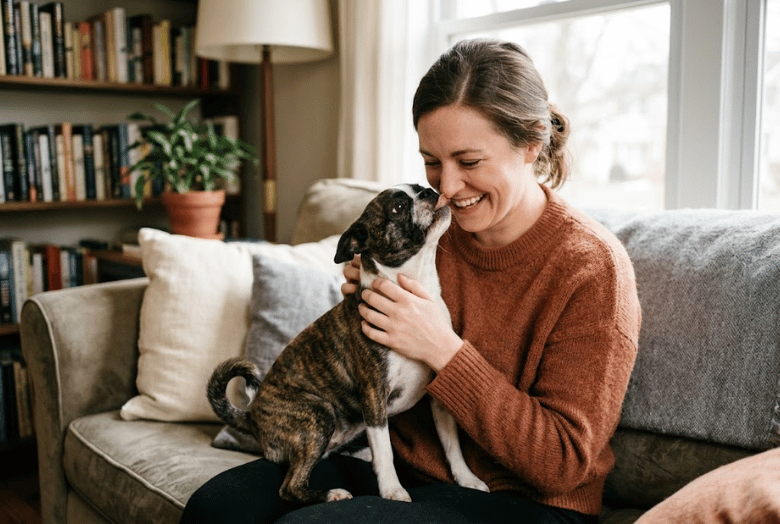
A bug dog usually means the Bugg, a cross between a Boston Terrier and a Pug. This compact companion often combines a playful personality with a strong desire for human attention. Before adopting one, owners should understand its health risks, exercise limits, training needs, and daily care.
Direct answer: A Bugg is a Boston Terrier and Pug mix, usually bred as a small companion dog. Adults commonly weigh about 15 to 25 pounds. They can be affectionate and playful, but their short facial structure may increase breathing, eye, and heat-related health risks.
| Quick fact | What to expect |
|---|---|
| Parent breeds | Boston Terrier and Pug |
| Common names | Bugg, Bug, Pugin, Boston Terrier Pug mix |
| Typical weight | About 15–25 pounds |
| Typical height | Roughly 10–18 inches |
| Common temperament | Affectionate, playful, social, sometimes stubborn |
| Coat | Short and generally easy to maintain |
| Exercise needs | Moderate, with heat precautions |
| Major health concern | Breathing problems linked to short facial structure |
| Best home | Owners wanting a social companion rather than a long-distance exercise partner |
Key Takeaways
* A Bugg is a mixed dog, so appearance and behavior can vary between individuals. * Both parent breeds have short muzzles, making breathing and overheating important concerns. * Positive reinforcement and early socialization can make training easier. * Weekly brushing and routine nail, dental, ear, and facial care are usually sufficient. * Prospective owners should review health records carefully and consider adoption before buying. * This mix can fit apartment living when its exercise, social, and health needs are met.
What Is a Bug Dog?
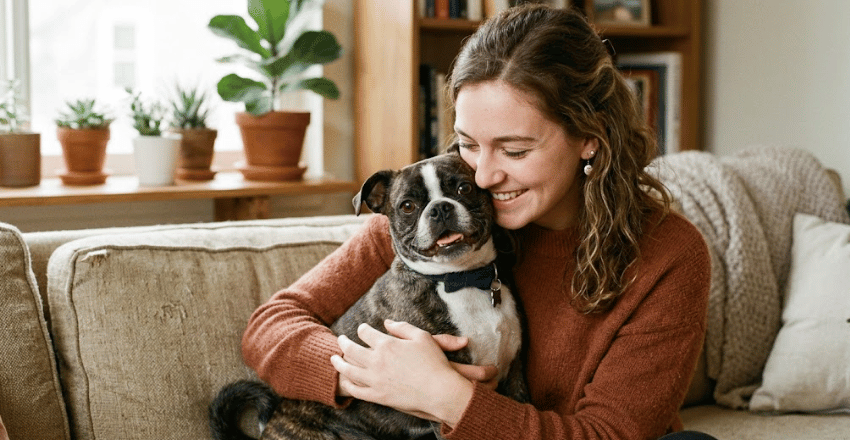
The Bugg is a cross between the Boston Terrier and the Pug. It is not a standardized purebred with one guaranteed appearance or personality. Puppies may inherit different trait combinations from either parent.
The name can also appear as Bug, Pugin, or Boston Terrier Pug mix. Current breed guides commonly describe these dogs as small, affectionate companions. Their compact size can make them practical for apartments and smaller homes.
Mixed ancestry also means averages should never be treated as promises. One puppy may resemble a Boston Terrier more strongly. Another may inherit more Pug-like features, including heavier facial wrinkles or a curlier tail.
Size, Appearance, and Coat
Published breed guides generally place adult weight near 15 to 25 pounds. Height estimates vary, often falling between about 10 and 18 inches. Genetics, sex, nutrition, and parent size can affect the final measurements.
Many have a compact body, round eyes, and a noticeably short muzzle. Coat colors can include black, white, brindle, fawn, brown, and combinations of these shades. Ears may stand more upright or fold, depending on inherited traits.
The coat is normally short and does not require complex grooming. Weekly brushing can remove loose hair and distribute natural skin oils. Some individuals may shed more because Pugs can shed noticeably despite having short coats.
Temperament and Family Life
These dogs are commonly described as affectionate, social, playful, and people-focused. Both parent breeds were developed largely around human companionship. Many mixed offspring therefore prefer staying near family members throughout the day.
Personality still varies from dog to dog. Some are outgoing with visitors, while others may become alert or territorial around unfamiliar animals. Early socialization gives a puppy more opportunities to form calm associations with new situations.
Families with children should supervise interactions, especially with younger kids. A small dog can be hurt through rough handling despite appearing sturdy. Children should learn to respect sleeping, eating, and resting dogs.
Homes with other pets can also work well. Introductions should be controlled rather than rushed. An individual dog’s history and social experience matter more than a mixed-breed label.
Exercise Needs and Heat Safety
Most adults benefit from daily walks and interactive play instead of intense endurance exercise. Exercise needs vary, so owners should watch the individual rather than follow one rigid schedule. Shorter sessions often work well for compact, flat-faced dogs.
Heat deserves special attention because both parent breeds are brachycephalic, meaning they have shortened skulls and muzzles. These anatomical features can reduce airflow and make cooling through panting less efficient. VCA includes both Boston Terriers and Pugs among breeds affected by brachycephalic airway problems.
The American Veterinary Medical Association recommends exercising pets during cooler parts of warm days. It also warns that short-nosed breeds face greater risks during warm-weather exercise. Fresh water, shade, rest breaks, and indoor cooling are especially important.
Never leave a dog inside a parked vehicle during warm weather. Cars can reach dangerous temperatures quickly, even when conditions outside feel manageable. Heavy panting, drooling, unsteadiness, abnormal gum color, or collapse require urgent veterinary attention.
Bugg Health Problems Owners Should Understand
Flat-faced anatomy is the most important issue prospective owners should investigate. Brachycephalic obstructive airway syndrome can involve narrowed nostrils and other upper-airway abnormalities. Affected animals may breathe noisily, exercise poorly, or struggle more in heat.
Eye health also deserves attention because both parent breeds can have prominent eyes. The AKC advises Boston Terrier owners to monitor for irritation and lists ophthalmologist evaluation among recommended health testing. Pugs are also associated with concerns including corneal ulcers and dry eye.
Patellar luxation is another concern seen in both parent breeds. This condition affects the kneecap and may cause intermittent skipping or lameness. The AKC lists patellar evaluation among recommended health checks for both parents.
Weight management matters because excess body weight can place added stress on breathing and joints. Portion meals appropriately and account for training treats within daily calories. Your veterinarian can help establish an appropriate weight target for the individual dog.
Unexpected veterinary care can become expensive, especially when chronic conditions need investigation. Magazetty’s overview of dog insurance plans explains general coverage, deductibles, and exclusions owners may want to compare.
Grooming and Everyday Care
A short coat keeps routine grooming relatively simple. Brush about once weekly and bathe when necessary rather than following an excessive bathing schedule. Regular nail trimming and dental care should remain part of the routine.
Dogs with facial folds may need additional attention around the face. Keep folds clean and dry, and watch for redness, odor, or irritation. Prominent eyes should also be checked after dusty walks or outdoor play.
Ears and teeth need routine monitoring like those of other companion dogs. Ask a veterinarian to demonstrate safe cleaning and dental-care techniques. Veterinary advice should take priority when skin, eye, breathing, or ear symptoms persist.
Training a Boston Terrier-Pug Mix
Start training early with short, consistent sessions. Both parent breeds can respond well to rewards and gentle instruction. Harsh correction can make training stressful without teaching the desired behavior clearly.
Food rewards can be useful, but portions should stay small. Praise, toys, and access to favorite activities can also reinforce good behavior. Rotating rewards helps prevent every lesson from adding unnecessary calories.
Basic cues should include recall, sit, stay, leave it, and calm leash walking. Magazetty’s guide to dog obedience training covers communication, positive reinforcement, social skills, and common behavior concerns.
Socialization should expose puppies safely to people, surfaces, sounds, handling, and suitable dogs. The goal is not constant interaction with strangers. It is helping the dog remain comfortable and responsive in ordinary environments.
Is This Mix Good for Apartment Living?
A small body size can make this mix suitable for apartments. Moderate exercise requirements may also fit owners without large yards. Size alone does not guarantee easy apartment behavior, though.
A dog that becomes bored or distressed may bark, chew, or struggle when left alone. Daily enrichment and predictable routines can help prevent many problems. Owners should also consider hallway, elevator, neighbor, and shared-space interactions.
Companionship is especially important for dogs strongly attached to people. Gradual alone-time training can help build independence without creating sudden long separations. A walker or sitter may help households with demanding work schedules.
Adoption, Breeders, and What to Check
Start by checking local shelters and Boston Terrier or Pug rescue organizations. Mixed dogs sometimes enter breed-specific rescues even when they are not purebred. A current Mid-Atlantic Pug Rescue listing, for example, identifies one available dog as a Boston Terrier/Pug mix.
If you use a breeder, ask for health information on both parents. Discuss eye examinations, patellar evaluations, breathing history, and other testing appropriate for each parent breed. Do not treat a designer-breed label as proof of health.
Meet the puppy and, when practical, its parents before making a commitment. Observe breathing at rest and after light activity. Ask how the puppies were raised, socialized, vaccinated, and examined by a veterinarian.
Avoid sellers who refuse health questions or pressure buyers into immediate payment. A responsible seller should explain contracts, return policies, health records, and ongoing support. Price alone cannot establish breeding quality.
Ownership Responsibilities in the United States
Dog ownership also carries practical responsibilities outside feeding and grooming. Local leash rules, housing policies, licensing requirements, and animal-control laws can vary by location. Owners should check current rules in their city and state.
Dog-bite liability also differs across U.S. jurisdictions. Magazetty’s strict-liability guide explains why some states use statutory rules while others consider knowledge or negligence. That legal background is useful for understanding why responsible supervision matters.
Good management reduces avoidable problems regardless of local legal standards. Use secure equipment, supervise children, and address concerning behavior early. Consult a qualified trainer or veterinary behavior professional when aggression or intense fear appears.
Is a Bugg the Right Dog for You?
This mix may suit people seeking a compact, affectionate companion with moderate exercise needs. It can work well for apartment residents, families, singles, and many first-time owners. The strongest fit is usually a household prepared for close companionship and consistent care.
The health tradeoff deserves serious consideration before adoption. Both parent breeds have flat facial structures, so respiratory and heat concerns cannot be dismissed as cosmetic traits. Prospective owners should budget for routine care and possible medical needs.
Choose the individual animal rather than the appearance alone. Temperament, breathing comfort, health history, and household compatibility provide better guidance than a cute photograph. A veterinarian can help assess a puppy or adult before adoption.
Frequently Asked Questions
Is a bug dog a real breed?
The term normally refers to a Bugg, which is a Boston Terrier and Pug cross. It is better described as a mixed or designer dog than a standardized purebred. Individual appearance and temperament can therefore vary considerably.
How big does a Bugg get?
Many current breed references place adults around 15 to 25 pounds. Published height estimates commonly fall near 10 to 18 inches. Parent size and genetics can produce dogs outside these ranges.
Are Buggs good family dogs?
Many are affectionate and enjoy living closely with people. Proper socialization and respectful handling can support good family relationships. Children and dogs should still be supervised during interaction.
Do these dogs have breathing problems?
They can, because both parent breeds have brachycephalic facial structure. Shortened skull anatomy can contribute to obstructed airflow in affected animals. Noisy breathing, exercise intolerance, or heat sensitivity should be discussed with a veterinarian.
How much exercise do they need?
Most need regular walks and play without demanding endurance workouts. The safest amount depends on age, fitness, health, and breathing ability. Exercise should be reduced during hot or humid conditions.
The Bottom Line
A Bugg can be a funny, affectionate companion in a household that understands its needs. Its small size and manageable coat may simplify daily ownership. Training, social contact, health monitoring, and temperature control still require consistent attention.
Before bringing one home, assess the individual dog’s breathing, temperament, and medical history. Review your budget and access to veterinary care as well. Taking those steps gives you a clearer picture of whether this companion fits your household.
