


Introduction
James Brown, born on May 3, 1933, in Barnwell, South Carolina, overcame a childhood of dire poverty to become a trailblazer in American music. Known as the “Godfather of Soul,” Brown’s dynamic stage presence and innovative sound revolutionized genres like soul, funk, and R&B. James Brown cause of death was officially recorded as Heart failure caused by pneumonia-related complications.
Classics such as “I Got You (I Feel Good)” and “Papa’s Got a Brand New Bag” not only topped charts but also inspired future icons, including Michael Jackson and Prince, as well as generations of hip-hop performers. In addition to his musical legacy, Brown advocated for civil rights, with his anthem “Say It Loud – I’m Black and I’m Proud” serving as a powerful symbol of empowerment during a critical period in American history.
Has remained the subject of controversy and speculation, with some close to him and medical professionals questioning whether there was more to the story and calling for further investigation into the circumstances surrounding his passing.
Key Facts and Milestones from James Brown’s Life and Legacy
| Topic | Details |
|---|---|
| Birthplace | Barnwell, South Carolina |
| Date of Birth | May 3, 1933 |
| Childhood | Grew up in severe poverty |
| Nickname | Godfather of Soul |
| Early Group | Joined The Gospel Starlighters in 1953 |
| Famous Flames | The Gospel Starlighters evolved into The Famous Flames |
| Breakthrough Single | “Please, Please, Please” (1956) |
| Million-Selling Hit | “Please, Please, Please” sold over one million copies |
| Landmark Album | “Live at the Apollo” (1963) |
| Funk Pioneer | Released “Papa’s Got a Brand New Bag” in 1965 |
| Civil Rights Anthem | “Say It Loud – I’m Black and I’m Proud” (1968) |
| New Band | Formed The J.B.’s in 1970 |
| Funk Classics | “Get Up (I Feel Like Being a) Sex Machine” |
| Hall of Fame | Inducted into Rock and Roll Hall of Fame in 1986 |
| Final Tour | “Seven Decades of Funk” world tour in 2003 |
| Marital History | Married several times, including Adrienne Rodriguez |
| Children | Fathered at least nine children |
| Estate Disputes | Family members engaged in legal battles over his will |
| Date of Death | December 25, 2006 |
| Place of Death | Emory Crawford Long Hospital, Atlanta, Georgia |
| James Brown Cause of Death | Congestive heart failure due to pneumonia |
| No Immediate Autopsy | No autopsy was performed right after his death |
| Medical Doubts | Dr. Marvin Crawford questioned the rapid decline |
| Murder Allegations | Jacque Hollander and others suggested possible foul play |
| Lasting Legacy | Remains a cultural icon and musical innovator despite controversy |
Career Highlights
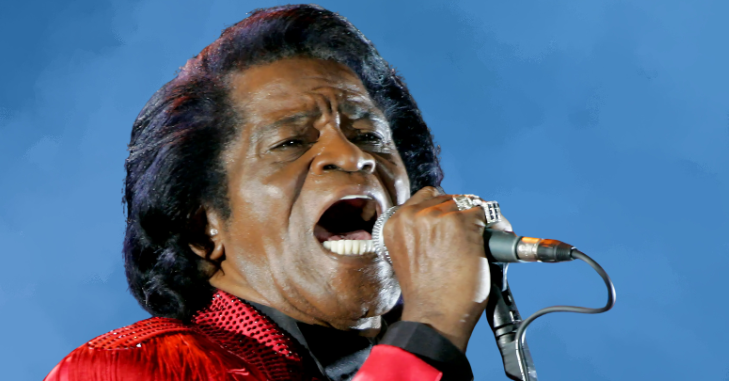
James Brown began his music career in the early 1950s by joining The Gospel Starlighters, later known as The Famous Flames. He rose to prominence in 1956 with his hit “Please, Please, Please,” which sold over a million records and marked his arrival as a significant figure in the music world. The 1963 album “Live at the Apollo” captured his electrifying live performances and further cemented his reputation.
In 1965, “Papa’s Got a Brand New Bag” marked a turning point in funk music, and by 1968, “Say It Loud – I’m Black and I’m Proud” solidified his role as both a musical innovator and a cultural leader. The 1970s saw Brown forming The J.B.’s, producing funk staples like “Get Up (I Feel Like Being a) Sex Machine.”
James Brown’s Musical Innovations
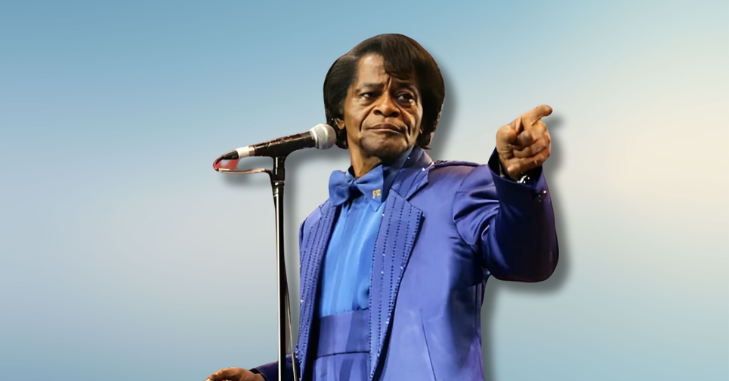
James Brown was a captivating performer and a relentless innovator who changed the fabric of popular music. He pioneered using syncopated rhythms, punchy horn sections, and driving bass lines, which became the funk blueprint. Brown’s approach to music production was revolutionary and treated every instrument as part of the rhythm section, creating infectious and complex grooves.
His band arrangements, call-and-response vocals, and improvisational style set new standards for live performance and studio recording. These innovations didn’t just influence soul and funk; they laid the groundwork for hip-hop sampling and inspired countless producers and musicians across genres.
Personal Life and Family Disputes
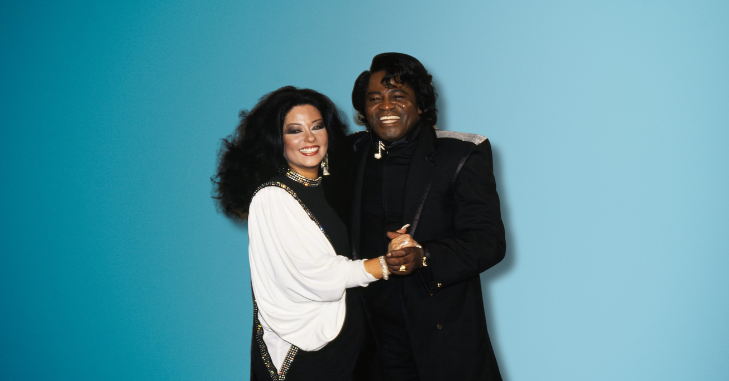
Brown’s private life was often as turbulent as his professional one was successful. He married several times and was the father of at least nine children. His marriage to Adrienne Rodriguez was particularly fraught, ending with her death in 1996 amid reports of domestic conflict.
After Brown’s passing, singer Tomi Rae Hynie claimed to be his widow, but a court later ruled their marriage invalid. These family complexities led to prolonged and highly publicized legal battles over Brown’s estate, casting a shadow over his legacy.
James Brown Cause of Death

James Brown died on December 25, 2006, at 73, in Atlanta’s Emory Crawford Long Hospital. He had been admitted two days earlier with exhaustion and a persistent cough. He was diagnosed with pneumonia, which then led to heart failure. Although his condition initially seemed manageable, he suddenly worsened and died on Christmas morning.
According to his longtime friend Charles Bobbit, Brown’s last words were, “I’m going away tonight,” before he slipped into unconsciousness. The official cause of death was heart failure brought on by pneumonia.
However, this explanation was questioned by Dr. Marvin Crawford, the physician who treated him, who noted that Brown’s rapid decline was atypical for pneumonia, sparking suspicions about the actual cause of his death.
Controversy and Unanswered Questions
No autopsy was performed immediately after Brown’s death, a decision that his family and associates have criticized. Many believe that a postmortem examination might have clarified whether there was any foul play or medical oversight. In 2019, a CNN investigation reignited interest in the case, featuring interviews with people who doubted the official story.
Jacque Hollander, a former associate, provided authorities with documents and recordings she claimed supported the theory that Brown was murdered. Other witnesses also described unusual circumstances on the night of his death.
Despite these serious allegations, no criminal charges have ever been filed, and law enforcement has not officially classified Brown’s death as suspicious. The lack of clear answers has fueled speculation and conspiracy theories that persist today.
Media Coverage and Public Debate
Initial media reports attributed Brown’s death to natural causes. Still, subsequent investigative journalism highlighted discrepancies in the medical narrative and the absence of an autopsy. Major outlets like CNN, Rolling Stone, and The Guardian published stories that kept public interest alive.
At the same time, online forums and social media continued to dissect the available information. Some accept the official explanation, while others believe crucial questions remain unresolved.
Enduring Legacy
Despite the controversies surrounding his death and the legal battles over his estate, James Brown’s influence on music, culture, and civil rights remains profound. His pioneering sound and messages of empowerment continue to inspire artists and activists alike, ensuring his legacy as one of the most important and influential figures in music history.
Conclusion
James Brown’s passing remains enveloped in mystery, with the official account of heart failure and pneumonia challenged by those closest to him and by investigative journalists. Family disputes and the absence of an autopsy have only deepened the intrigue. Yet, regardless of the unanswered questions, Brown’s towering impact on music and society is undisputed, securing his place among the greatest artists of all time.
Apart from that if you want to know about “Jessica Alba’s Movies and TV Shows: A Comprehensive Exploration of Her Iconic Roles, Career Milestones, and Lasting Impact” then please visit our “Entertainment” Category.
Frequently Asked Questions (FAQs)
James Brown, the “Godfather of Soul,” passed away on December 25, 2006, due to congestive heart failure and pneumonia.
Before passing away, James Brown remained active in music and philanthropy despite health issues.
James Brown, the “Godfather of Soul,” has produced an impressive discography that includes 59 studio albums, 15 live albums, and numerous compilations.
